News & Insights
When the Shelf Isn’t Yours: Shopper Intelligence for Brands That Sell Through Retailers

18th February 2026
Brands that sell through third party retailers no longer lose because they lack awareness, they lose because influence fades during long consideration cycles and at the point of purchase. In high value categories, shoppers compare, pause and revisit before deciding, often within retailer environments where brand control is limited. Connecting media planning strategy with onsite retail media allows brands to stay relevant during active comparison and convert intent into measurable sales.
The One Off’s Shopper Sphere reflects this shift: a shopper led, full funnel approach that turns shopper insight into action across the entire purchase journey.
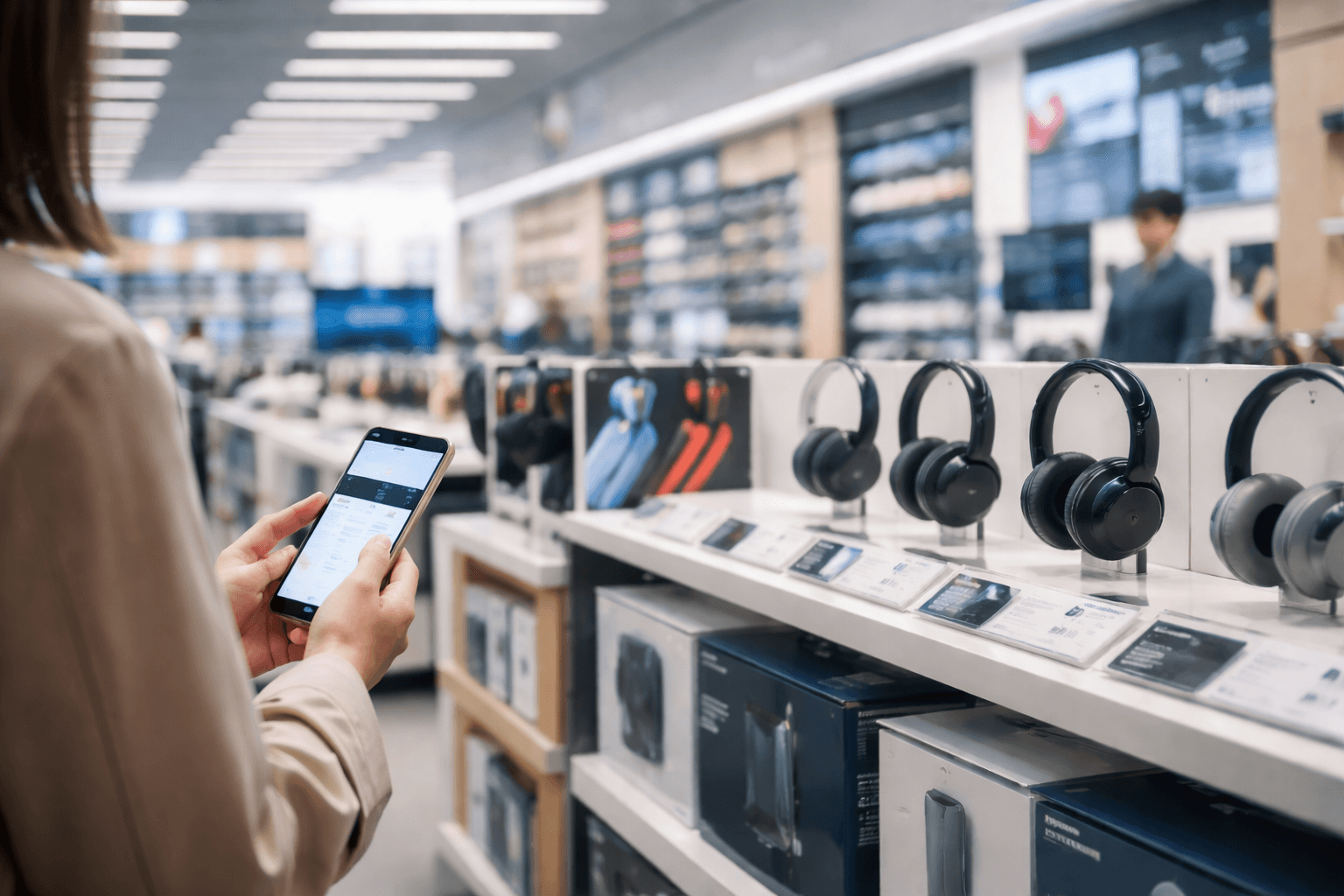
For brands that rely on third-party retailers, influence has always been indirect.
Trading relationships are often agreed annually, frequently during a Q4 pitch cycle, after which visibility into how upper-funnel marketing activity translates into sales becomes limited. Attribution is rarely straightforward, with retailers understandably holding conversion data and tracking capability close. The result is a familiar frustration: significant investment in brand and performance media, with only partial clarity on its commercial impact.
You don’t own the shelf, you don’t control the environment, and increasingly, you don’t control the final moments of decision-making. Yet those moments matter more than ever. In response, many brands have learned to operate effectively within these constraints, building full-funnel strategies that influence shoppers right up to the point of purchase, even when the transaction itself happens on a third-party site. Awareness is driven, interest is nurtured and propensity to purchase is strengthened before the shopper ever lands on a retailer’s product page. This approach relies on recognising meaningful signals in shopper behaviour - moments of relevance, consideration and intent - using sophisticated commerce data models and AI-driven insight.
In categories such as consumer electronics, audio, home technology, sportswear and specialist equipment, shoppers are taking longer to decide, comparing multiple brands and delaying purchase until they feel confident they are making the right choice. For mid- to high-priced products, this behaviour isn’t hesitation; it is intent forming over time.
The challenge for brands isn’t generating demand. It’s maintaining relevance across a fragmented, retailer-led journey and converting interest at the moment decisions are actually made.
Long consideration cycles change the rules of influence
High-value categories expose one of the most persistent gaps in modern media strategy: the assumption that influence is short-lived. In reality, shoppers don’t move neatly from awareness to purchase. They research, pause, compare, revisit and reassess, often across devices, platforms and retail sites. In consumer electronics, this process can span several weeks, with shoppers actively weighing three or more brands before committing.
Data published by Criteo shows consumer electronics category shoppers take an average of 20 days to make a purchase decision & compare 3+ brands before making high-value purchases
During that time, brands don’t lose because they disappear. They lose because they become interchangeable. When differentiation fades, price and availability take over. For challenger brands competing in crowded categories, this can be a difficult position to recover from.
Why awareness alone no longer carries brands to conversion
Most brand strategies continue to invest heavily in offsite media to drive awareness and consideration. ATL activity, social, video and programmatic display all play an important role in shaping preference and keeping brands mentally available.
However, when that activity is disconnected from retail environments, a critical gap opens up. Shoppers arrive on retailer sites informed, interested and ready to compare, yet brand influence often stops at the door. At the very moment when intent is highest, presence becomes inconsistent, generic or absent altogether. This is where value quietly drains away. As algorithm-led recommendation engines increasingly surface alternative options - both offsite and within retail environments - brands face constant competitive pressure at every stage of the journey. Without a connected approach, even strong consideration can be eroded before conversion.

Retail media as influence, not just inventory.
Retail media has traditionally been treated as a tactical layer: useful, measurable and efficient, but separate from broader brand thinking.
That view is changing. Onsite retail media formats such as sponsored products and native display now allow brands to influence shoppers directly within retailer environments, using real-time signals based on browsing behaviour, purchase history and category interest.
When activated thoughtfully, these formats don’t interrupt the shopping experience; they support it. They enable brands to remain visible during active comparison, reinforce product value at a granular level and convert consideration into measurable sales impact. This isn’t about being louder at the shelf; it’s about being present when shoppers are already paying attention.
Connecting the journey from consideration to conversion
The real opportunity emerges when offsite and onsite media stop operating in isolation and start working as integrated media planning. When brand activity builds awareness and primes consideration, and retail media captures and converts intent, continuity is created. Messaging aligns, measurement aligns and outcomes align. Media stops behaving like a collection of disconnected channels and starts working as a single, shopper-led system.
User Flow Analysis proves compares conversion rates of Buyers ‘Exposed to Off-Site ads only’, 2.2% vs ‘Exposed to On-site ads only’, 11.5% vs Exposed to both On-site and Off-site ads’, 19.0% demonstrating an uplift of +65% when on-site and off-site tactics are combined. (Source: Criteo: White-labelled case study. Focusing only on users with Criteo User Id (may differ from other reporting). Off-site + On-site sponsored products. Date range: 2021-04-19 to 2021-04-29.
For challenger brands selling through retailers, this connection is particularly powerful. It enables them to compete on relevance rather than scale, remain present throughout extended decision cycles and evaluate success based on sales impact rather than proxy metrics.
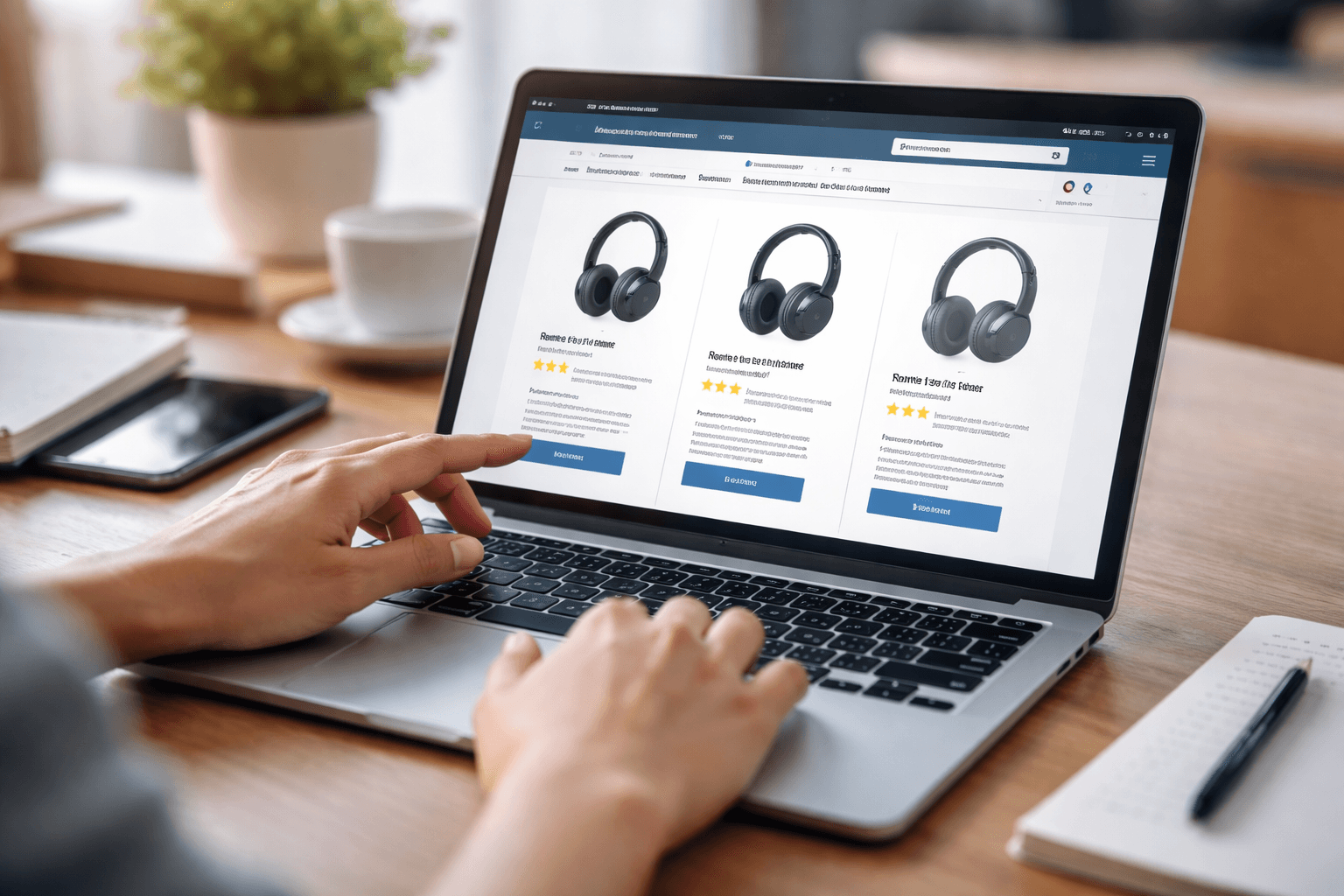
Turning shopper insight into action
At the centre of this approach is shopper insight, connecting shopper marketing, media and retail data around how people actually decide. When media is powered by large-scale, privacy-safe shopper data and rich intent signals, brands can move beyond assumptions and respond to real behaviour. They can understand where shoppers are in their journey, what they are considering and when they are most likely to convert.
That insight doesn’t just inform targeting; it shapes creative, timing and format choice, turning media into a lever for influence rather than exposure. This thinking underpins Shopper Sphere a connected shopper media ecosystem designed to translate insight into action across the entire purchase journey, from early consideration through to in-retail conversion.
What this means for brand leaders
For senior marketers and brand leaders, the implication is clear. The question is no longer whether retail media matters, but whether it is being used strategically enough. Brands that succeed will be those that treat retail as a media environment, build shopper marketing around real decision making, and use connected media planning to judge effectiveness by impact on sales rather than impressions alone.
In a world where the shelf isn’t yours, influence has to be earned - informed, intelligently and at the moments that matter most.
About Shopper Shere:
The One Off have partnered with the world’s largest commerce media technology providers to enable product focused dynamic advertising.
Powered by the world’s largest shopper data set and AI, we reach customers in-market and throughout their purchase journey. Increasing performance efficiency, optimizing media experience, making partnerships work harder. Retail media integration enables onsite retail media activation & performance optimization utilizing sponsored products, display & video.
To discuss how The One Off can help your brand’s media strategy and activation, both offsite and at retail - use the contact form to reach our specialist team.